

Table of Contents
For decades, the fashion narrative was dominated by height—the towering stiletto, the formidable platform, the statement-making wedge. They symbolized power, glamour, and an often painful standard of beauty. Then, a quiet yet formidable revolution took hold, one comfortable step at a time. This is the story of flats, the humble yet powerful footwear category that transcended utility to become a global style phenomenon, redefining what it means to be both comfortable and chic. Flats are no longer just an alternative; they are a first-choice declaration of style, autonomy, and intelligent design.
From Function to Fashion: A Brief History of Flats
The journey of flat shoes is as old as civilization itself. Ancient Egyptians wore sandals made of papyrus and palm leaves. Roman soldiers marched in sturdy caligae. In the East, variations of flat slippers and moccasins were the norm. However, the modern story of the flats we know today began as a practical rebellion.
In the 16th and 17th centuries, high heels were a marker of aristocracy for both men and women. But as hemlines rose and the pace of life accelerated in the 20th century, practicality demanded a change. The iconic Chanel two-tone slingback in the 1950s offered a lower heel, but the true revolution came with Audrey Hepburn. Her collaboration with Salvatore Ferragamo for the ballet flat in the 1957 film Funny Face catapulted the style into the zeitgeist. It was simple, elegant, and perfectly suited her gamine charm.
The subsequent decades saw the flat evolve—from the preppy penny loafer of the 60s to the bohemian embellished styles of the 70s. Today, they are a multi-billion dollar segment of the footwear industry, constantly innovating while staying true to their core promise: effortless comfort without sacrificing an ounce of style.
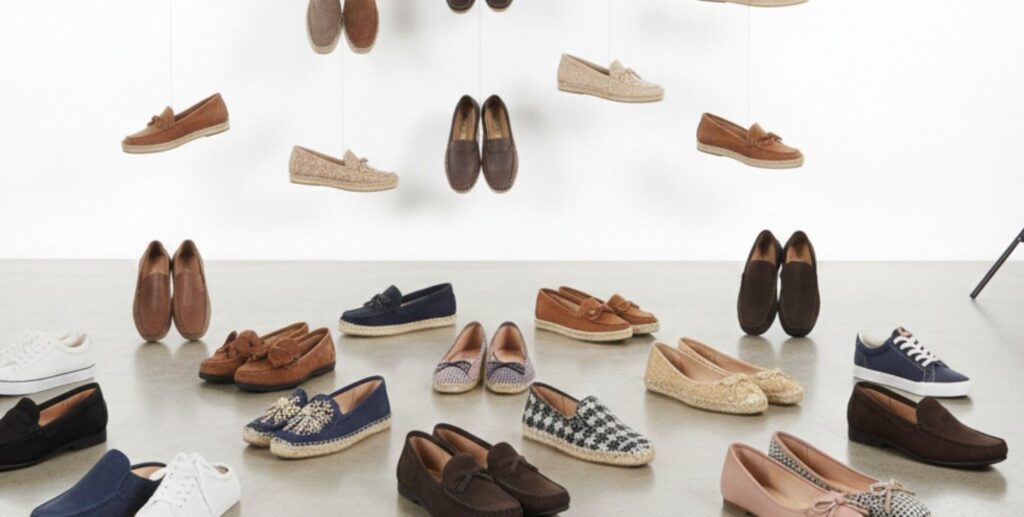
Anatomy of Comfort: Why Flats Work
The universal appeal of flats isn’t just aesthetic; it’s biomechanical. By keeping the foot in a neutral position close to the ground, they promote a more natural gait and alignment. This reduces strain on the ankles, knees, and lower back—a common complaint associated with prolonged high heel wear.
However, not all flats are created equal. The secret lies in the construction:
- Arch Support: A quality flat will have built-in or contoured arch support to prevent plantar fasciitis.
- Toe Box: A sufficiently wide and deep toe box allows toes to splay naturally, avoiding bunions and pinching.
- Cushioning: Strategic cushioning in the heel and ball-of-foot area absorbs impact.
- Material: Supple leathers, flexible textiles, and breathable linings prevent blisters and allow for foot movement.
The Definitive Guide to Types of Flats
The term “flats” encompasses a diverse family of styles, each with its own personality and occasion.
1. The Ballet Flat
The quintessential classic. Characterized by a rounded toe, a slim silhouette, and often a small bow or minimal ornamentation. It’s the ultimate in Parisian chic and pairs effortlessly with everything from skinny jeans to midi dresses.
2. The Loafer
Born from men’s footwear, the loafer is the epitome of polished casual. With its distinctive moc-toe stitching and heel strap, it adds a touch of androgynous sophistication. Perfect with tailored trousers, cuffed denim, or even socks for a preppy look.
3. The Oxford
Another menswear-derived star, the Oxford is defined by its closed lacing system. It’s structured, intellectual, and impeccably formal in a sleek, low-heeled way. A staple for the modern office wardrobe.
4. The Driving Moccasin
Designed for, as the name suggests, comfort behind the wheel. Recognizable by its nubby rubber sole peeking from the heel and its ultra-soft construction. It’s a weekend warrior’s best friend.
5. The Pointed-Toe Flat
This style takes the ballet flat and sharpens it for a dose of sleek, leg-lengthening power. A pointed-toe flat can look even more commanding than a heel in a professional setting, offering sharpness without the sacrifice.
6. The Espadrille
The summer favorite. With its canvas or cotton upper and iconic jute rope sole, the espadrille is the go-to for beach days, farmer’s markets, and breezy evenings. It embodies relaxed, sun-soaked style.
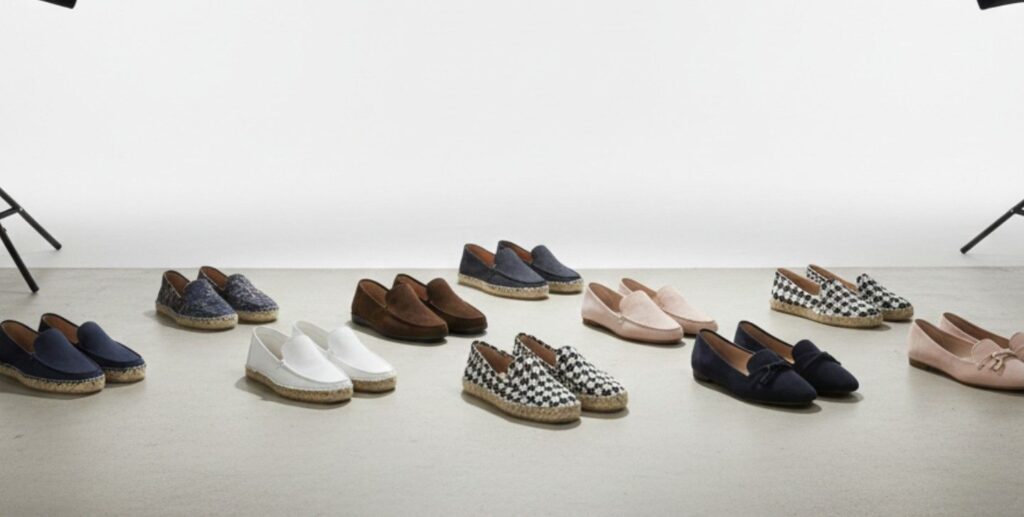
Styling Mastery: How to Wear Flats with Any Outfit
Gone are the days when flats were confined to casual wear. Today, they are a versatile styling tool.
- For the Office: Pair a sleek pointed-toe flat or a polished loafer with a tailored pantsuit or a sheath dress. It projects confidence and competence.
- For Weekend Errands: Combine classic ballet flats or driving moccasins with boyfriend jeans and a crisp white tee. Add a crossbody bag for hands-free ease.
- For a Night Out: Don’t underestimate the power of a metallic or embellished flat. With a little black dress or a silky slip skirt, they look intentionally chic and allow you to dance all night.
- For a Feminine Touch: A delicate ballet flat with a floral midi dress creates a timeless, romantic look perfect for brunch or a garden party.
The Arch Support Showdown: A Comparison
A key factor in choosing the right flat is understanding the support it offers. Here’s a quick comparison of common styles:
| Flat Style | Typical Arch Support Level | Best For | Consideration |
|---|---|---|---|
| Ballet Flat (Basic) | Low | Short-term wear, narrow feet | Can lack structure; opt for brands with built-in support. |
| Loafer | Medium-High | All-day wear, walking, office | Often has a more structured sole and heel cup. |
| Athletic-Inspired Flat | High | Active lifestyles, travel | Features modern foam and contoured footbeds. |
| Pointed-Toe Flat | Variable (Low-Medium) | Style-focused occasions | Prioritizes silhouette; seek out padded versions. |
| Driving Moccasin | Low | Driving, casual short trips | Ultra-flexible sole may not suit prolonged walking. |
The Conscious Choice: Flats in a Sustainable World
The rise of flats aligns perfectly with the growing demand for sustainable and ethical fashion. Their simpler construction often requires less material than complex heels. Many brands now focus on:
- Using eco-friendly materials like recycled polyester, organic cotton, and apple leather.
- Implementing ethical manufacturing processes.
- Creating timeless designs meant to last for years, combating fast fashion waste.
Choosing a well-made pair of flats from a responsible brand is not just a style decision; it’s a values-driven one.
Caring for Your Flats: A Short Guide to Longevity
Investing in good flats means taking care of them.
- Use Protective Sprays: Treat suede and leather with waterproofing sprays before first wear.
- Regular Cleaning: Wipe leather with a damp cloth. Use a suede brush for nubuck and suede.
- Stuff with Care: Use shoe trees or acid-free tissue paper to maintain shape when not in use.
- Rotate Your Pairs: Avoid wearing the same pair two days in a row to let them air out and decompress.
- Resole When Needed: A quality cobbler can often replace worn soles, extending the life of beloved flats for years.
Frequently Asked Questions (FAQs) About Flats
Q: Are flats actually good for your feet?
A: Yes, when chosen correctly. Look for flats with proper arch support, a supportive heel counter, and a flexible but not flimsy sole. Avoid completely flat, unsupportive shoes for extended wear.
Q: How can I prevent my flats from slipping off at the heel?
A: This is a common issue. Solutions include using heel grips or inserts, opting for styles with a back strap or lace-up design, or trying “half-size” adhesive strips inside the heel cup.
Q: Can I wear flats to a formal event like a wedding?
A: Absolutely. Embellished flats, sleek metallic styles, or elegant lace-adorned options are perfectly acceptable and increasingly popular for formal events. Prioritize your comfort to fully enjoy the occasion.
Q: What’s the difference between a flat and a sneaker?
A: While both are low-heeled, sneakers are specifically designed for athletic or strenuous activity with advanced cushioning and technical materials. Flats are primarily designed for fashion and everyday casual to smart-casual wear.
Q: How do I break in new leather flats without getting blisters?
A: Wear them with thick socks around the house for short periods. You can also gently stretch tight areas with a shoe stretcher or use a leather softening spray on the inside lining.
Conclusion: The Lasting Legacy of the Flat
The rise of flats is more than a trend; it’s a cultural shift. It represents a move towards fashion that respects the individual—their comfort, their health, and their personal style narrative. They have democratized elegance, proving that one does not need to endure pain to project power, grace, or sophistication. From the ballet flat to the loafer, each style offers a unique way to navigate the world with ease and intention.
The clear takeaway is this: Embrace the flat. See it not as a compromise, but as an intelligent, stylish, and liberating choice. In a world that constantly asks us to stand for long periods, walk further, and do more, the right pair of flats isn’t just a shoe—it’s a foundation for a more comfortable, confident, and sustainable way of living, one effortless step at a time.